
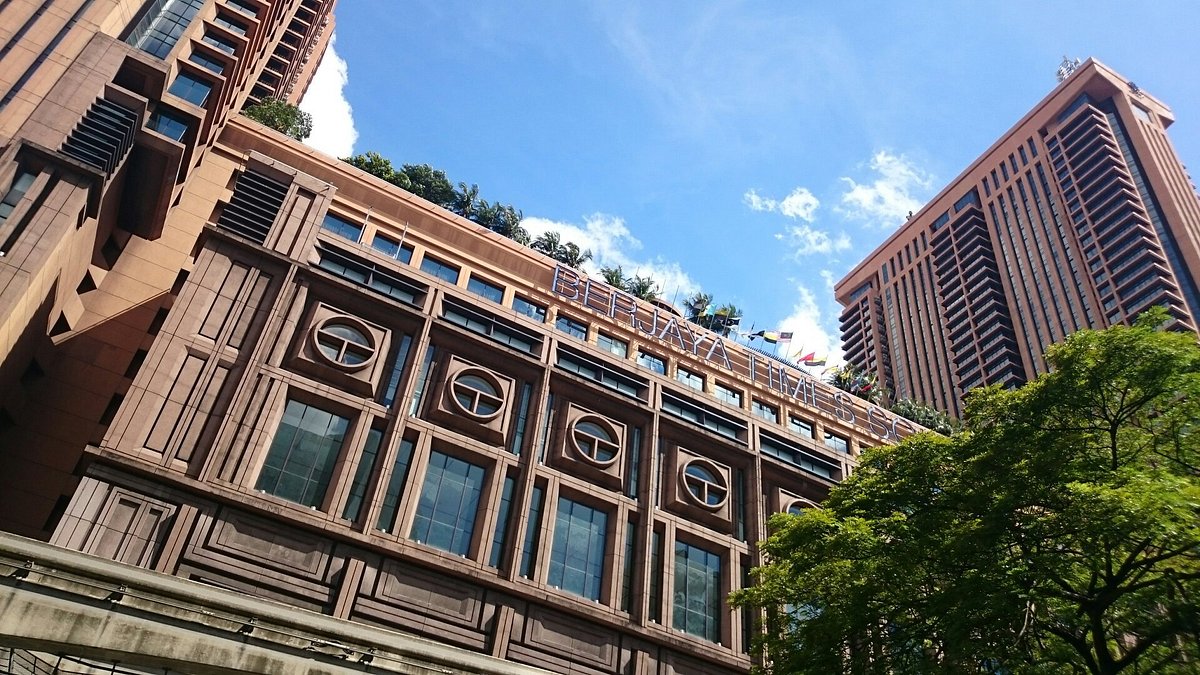
What a relief. It has lived long enough. The Federal Court in Like Swee Choo & Anor v. Ong Koh Hou @ Won Kok Fong – Civil Appeal no. 02(f) -22-07/2024(W) on 2.10.2025 held that Berjaya Times Square is no longer good law. The FC, among others, examined the test for ‘total failure of consideration’ for purposes of sec 40 Contracts Act 1950 and laid out the correct test. In doing so, the Court, took into account academic writings, and articles over the years commenting on the problems with Berjaya decision. The grounds below. Long enough for the Sunday break reading.

JAYA’S CIVIL TRIAL HANDBOOK- ESSENTIAL PRACTICE & PROCEDURE FOR MALAYSIAN COURTS’ now available for sale.
The Handbook is my humble attempt for a concise quick reference, trial companion that one can quickly flip through for a refresher or a quick answer on issues commonly faced before, during, and post trial – especially for those in the early years of their practice, something I myself would have appreciated in my early years. As stated in the preface ‘If this handbook helps make your journey as a litigator even a little bit easier – or helps you feel a little more ready in court – then this book has done it’s job.’ Many thanks to all for your wishes and kind words since the Handbook was announced. Thank you for the support. Thank you to our 16th Chief Justice Tun Tengku Maimun for the kind foreword. You may have left but you will not be forgotten, Tun. Much appreciation to AsiaKnowledge Law Books for undertaking the publication and successfully bringing the Handbook to fruition. Finally, glad to have had the opportunity to present an early copy of the Handbook to the man who, along with my master, guided and shaped my interest in litigation from day one – Prof GS Nijar.
Advice for Young Lawyers in Litigation
Fali S. Nariman — one of India’s most respected jurists, a Senior Advocate at the Supreme Court of India, President of the Bar Association of India, and a renowned constitutional lawyer — shares timeless advice for young lawyers in his book Beyond the Courtroom. His insights are a roadmap for those who wish to build a serious career in litigation. A point-by-point summary follows: 1. Be Regular in Court 2. Attend Court Even When You Have No Work 3. Be Prepared. Always Be Prepared. 4. Know Your Judge 5. Develop Watchful Eyes and Sharp Ears 6. Be a Judge of Faces and Moods 7. Don’t Show Off. Be Humble. 8. Don’t Try to Be Funny 9. Be Bold, Not Rude 10. Never Lose Your Temper 11. Don’t Be Boring The Bar is a great institution — learn from it, grow with it, and enjoy every moment of your journey.

法官裁定医疗疏失致脑损母子获赔410万令吉
(新山5日讯)关于新山一名16岁少年出生时,因涉及的私人妇产中心和医生疏忽,以致出现 脑部受损案件,新山高庭法官裁决,案中的私人妇产中心和医生需承担总计410万令吉赔偿金。 根据《自由今日大马》报道,新山高庭法官努鲁胡达是于前天,对上述案件作出判决,裁定 该名16岁少年获一般损失(general damages)赔偿金60万令吉以及350万令吉用作未来康 复医疗费(future rehabilitation)。 法官裁决,此案少年的母亲也获得8万令吉的情绪悲痛与焦虑赔偿。至于负责进行剖腹接生的 妇产中心和医生,则必须承担10万令吉的堂费。 案中的私人妇产中心和医生,过后已对新山高庭的判决提出上诉。 法官在判词中指出,医生必须负上责任,因为他对案中母亲和她的宝宝在照顾方面出现职务 上的疏忽,而在这同时,妇产中心的业主也得承担间接的责任。 法官表示,医生较晚进行剖腹手术,必须对孩子目前出现的情况负责。 案件中的母亲是于2020年代表她的儿子,入稟法庭提告上述两造。 根据《自由今日大马》早前报道,案件中的母亲于2009年9月28日早上10时,在上述位于新 山的妇产中心,被医生告知,指脐带环绕胎儿脖子。但是,医生却于晚上7时才进行手术。 据报道,婴儿面对吸吮能力低弱和呼吸困难,陷入昏睡状态能问题,于2009年10月1日凌晨5 时30分,被救护车载往苏丹后阿米娜医院。 婴儿过后被诊断,出现低血糖及感染情况。婴儿于同年11月14日出院返家后,出现抽搐和嘴 巴扭曲的情况。过后经私人医院检查揭露婴儿遭受脑损情况。 基于医疗成本问题,婴儿于2023年11月15日重新入住政府医院。一星期后,婴儿被转介到吉 隆坡医院,接受儿童神经科医生的治疗,并证实婴儿病况。 此案起诉人的代表律师,分别为R再耶巴南、N惹卡德山、陈克里斯多分(译音)、S沙米南。 被告代表律师则是B迪呢斯和依林索拉耶。 来源:https://www.sinchew.com.my/news/20250805/nation/6755058

Remaja alami kerosakan otak ketika lahir dapat ganti rugi RM4 juta
By V Anbalagan Hakim memberi award RM600,000 kepada remaja itu sebagai ganti rugi am dan RM3.5 juta untuk pemulihan masa depan. PETALING JAYA: Mahkamah Tinggi Johor Bahru memberi award RM4.1 juta kepada seorang remaja 16 tahun yang mengalami kerosakan otak teruk ketika lahir, selepas mendapati seorang doktor dan pemilik rumah bersalin swasta bertanggungjawab atas kecuaian perubatan. Hakim Nurulhuda Nuraini Nor memberikan award RM600,000 kepada remaja itu sebagai ganti rugi am dan RM3.5 juta untuk pemulihan masa depan. Ibunya pula diberikan ganti rugi RM80,000 bagi tekanan emosi serta keresahan. Pemilik rumah bersalin di Johor Bahru itu dan doktor yang menyambut kelahiran remaja terbabit melalui pembedahan Caesarean diarah membayar kos RM100,000. Doktor dan rumah bersalin itu sudah memfailkan rayuan terhadap keputusan berkenaan. Hakim dalam penghakiman bertulis yang dikeluarkan baru-baru ini berkata: “Doktor itu bertanggungjawab kerana mengabaikan tugasnya menjaga ibu dan bayi itu, manakala pemilik rumah bersalin terbabit bertanggungjawab secara wakil.” Nurulhuda berkata, doktor itu bertanggungjawab atas keadaan kanak-kanak berkenaan kerana lewat melakukan pembedahan. Ibunya memfailkan saman pada 2020 bagi pihak anak lelakinya, yang bergantung kepadanya. Menurut fakta kes, wanita itu ke rumah bersalin terbabit, yang juga sebuah klinik, kira-kira 10 pagi 28 Sept 2009. Beliau kemudian dinasihatkan menjalani pembedahan Caesarean oleh doktor disebabkan tali pusat melilit leher bayi. Tetapi, doktor itu hanya melakukan pembedahan Caesarean dan menyambut kelahiran bayi itu pada 7 malam. Kira-kira 5.30 pagi 1 Okt 2009, bayi itu dihantar ke Hospital Sultanah Aminah dengan ambulans kerana tidak menyusu dengan baik, sukar bernafas dan lesu. Beliau didapati mengalami hipoglisemia teruk (gula darah rendah) dan jangkitan. Selepas keluar hospital pada 14 Nov, bayi itu didapati mengalami kekejangan otot dan mulutnya terherot. Pemeriksaan perubatan di sebuah hospital swasta mengesahkan beliau mengalami kerosakan otak. Atas faktor kos, bayi itu dimasukkan semula ke hospital kerajaan selama seminggu mulai 15 Nov, sebelum dirujuk ke Hospital Kuala Lumpur pada 23 Nov, di mana pakar neurologi kanak-kanak mengesahkan keadaan kesihatannya. Peguam R Jayabalan, N Jegatheesan, Christopher Tan dan S Shamilan mewakili plaintif, manakala peguam B Thinesh serta Raja Eileen Soraya Raja Aman mewakili defendan. Sumber daripada: https://www.freemalaysiatoday.com/category/bahasa/tempatan/2025/08/03/remaja-alami-kerosakan-otak-ketika-lahir-dapat-ganti-rugi-rm4-juta

RM4mil award for teen who suffered brain damage at birth
By V Anbalagan The doctor who delivered the baby was found liable for negligence, and the High Court held that the nursing home was vicariously liable. PETALING JAYA: A 16-year-old who suffered severe brain damage at birth has been awarded RM4.1 million in damages after the High Court in Johor Bahru found the owner of a private maternity home and a doctor liable for medical negligence. Justice Nurulhuda Nuraini Nor awarded the teenager RM600,000 in general damages and RM3.5 million for his future rehabilitation. The mother was awarded RM80,000 damages for emotional distress and anxiety. The owner of the nursing home in Johor Bahru and the doctor who delivered the boy by way of a Cesarean section were ordered to pay RM100,000 costs. The doctor and the nursing home have filed an appeal against the decision. In the written judgment, the judge said: “The doctor is liable because he had neglected his duty of care to the mother and her baby, while the owner of the maternity home was vicariously liable.” Nurulhuda said the doctor was to be held responsible for the child’s condition due to the late procedure. The mother had filed the suit in 2020 on behalf of her son, who is dependent on her. The facts of the case revealed that the mother went to the maternity home, which is also a clinic, at about 10am on Sept 28, 2009. She was later advised to undergo a C-section by the doctor as the umbilical cord was surrounding the baby’s neck. However, the doctor only carried out the Caesarean and delivered the baby at 7pm. At about 5.30am on Oct 1, 2009, the baby was sent to Sultanah Aminah government hospital by ambulance as he was not sucking well, had breathing difficulties, and was lethargic. He was found to be suffering from severe hypoglycaemia (low blood sugar) and had an infection. The baby was discharged on Nov 14 but after returning home, he was found jerking while his mouth had become distorted. A medical examination at a private hospital revealed he had suffered brain damage. Due to cost reasons, the baby was readmitted to the government hospital for a week from Nov 15. On Nov 23, he was referred to Hospital Kuala Lumpur and was attended to by a consultant child neurologist, who confirmed his medical condition. Lawyers R Jayabalan, N Jegatheesan, Christopher Tan and S Shamilan acted for the plaintiff, while counsel B Thinesh and Raja Eileen Soraya Raja Aman represented the defendants. Source: https://www.freemalaysiatoday.com/category/nation/2025/08/03/rm4mil-award-for-teen-who-suffered-brain-damage-at-birth

We are Hiring! Your next chapter starts here

EXPERT EVIDENCE
Key take aways: 1. Expert evidence is essentially opinion to assist the court in issues requiring specialized knowledge or beyond court’s ordinary knowledge. 2. Expert must have the qualification, experience, and skill in the required field in order to give the opinion. 3. Expert’s overriding duty is to the court, and not to the party that called him or paid him for his services. 4. Expert not to consider himself as advocate for the party that called him. He must be independent, seen to be independent and objective in his opinion. 5. Expert’s opinion must be based on facts that are either admitted or proved. He must state the basis/grounds/reasons for his opinion. 6. Court is not bound by the opinion of the expert. 7. Expert may be tested on the objectivity, credibility and reliability of his opinion. 8. In adducing expert evidence, O. 40A of the Rules of Court 2012 must be complied with.

No Regrets
Tun Suffian said in the aftermath of the 1988 judicial crisis that it will take a generation to restore confidence in the judiciary, and so it did, with the last 6 years leadership of the Chief Justice Tun Tengku Maimun, in what is probably the most remarkable judicial years since the 1988 judicial crisis. The first woman CJ led the judiciary by example with unwavering courage, steadfastness and commitment to the rule of law, democracy and constitutional principles – no matter the consequences, the personalities nor the personal costs. She is leaving the high office today, with “no regrets”, leaving behind a legacy of reform, strength, and courage in the judiciary. As often said, it doesn’t matter much how one arrives, it’s how one leaves that really matters. By all accounts, Tun leaves behind a healthy and vibrant judiciary that is more independent, courageous and respected than when she first took office. Her legacy is not only her judgments that defended the Federal Constitution, separation of powers and rule of law (yes, even on the very last day of her tenure), but also the elevated status, confidence, and credibility of the Malaysian judicial institution itself. “No regrets” indeed! Farewell, and wishing you a happy retirement, Mdm!😁 To the next CJ, whoever it is, best wishes and good luck. You have big shoes to fill. We will be watching…. And I am sure she will also be watching. No regrets, says retiring CJ Tengku Maimunhttps://lnkd.in/gz6fK9jM https://www.freemalaysiatoday.com/category/nation/2025/07/01/no-regrets-says-retiring-cj-tengku-maimun/

Part A-B-C, Part I-II-III: is it really that difficult?
Yet another decision recently from the Federal Court on documentary proof and explaining Part C documents – below. Now, is it really that difficult to comprehend the three parts, or have we lawyers made it difficult ourselves with creative arguments to come out of sticky situations? Let’s see: 1. Primary evidence rule. Documents must be proven by producing the original and calling the maker – best evidence – then it becomes exhibit (evidence) – a ‘P’ or ‘D’. 2. Secondary evidence. When the original or the maker is not available, an available copy may be tendered through a witness, under the relevant exceptions to primary evidence with explanation. If the court is satisfied, it becomes an exhibit (evidence) – ‘P’ or ‘D’. 3. Caution.Being an exhibit (evidence) does not mean it is accepted as true or proven as true – that is a separate matter, to be decided by the Court at the end of the trial. Admissibility does not equal ‘truth’. 4. This archaic evidentiary process was ‘short-circuited’ and modernised by the introduction of ‘Common Agreed Bundle of Documents’ consisting of Part A,B and C, or Part I, II and III. How? 5. Part A documents – Agreed and Admitted or ‘Dipersetujui dan Diakui’. The document is accepted as existing (meaning, genuine, not forged) and it’s contents true, they will not be disputed at trial. So, original need not be produced, maker need not be called. Whether Part A document becomes evidence automatically? No. It must still be referred by the witness. Why? Utility. Otherwise how do we know where that document fits in the overall facts? 6. Part B documents – Agreed but Not Admitted (Dipersetujui Tetapi Tidak Diakui). This document is agreed as existing but it’s contents disputed. The contents will be challenged at the trial, but not the existence of the document. The original need not be produced, the maker need not be called. The contents may be proven by calling any witness familiar with the document and it’s contents. The document must be referred by a witness and marked as exhibit, P or D. Again, admitted as evidence does not mean it is proven to be true. 7. Part C documents – Not Agreed and Not Admitted (Tidak Dipersetujui dan Tidak Diakui). This document is disputed as to its existence and contents. The archaic rule applies – produce the original, call the maker. Otherwise it will not become evidence. 8. In short, being an ‘evidence’ P or D, only makes the document as qualified to be considered by the Court. In that process the Court will decide on the balance of probabilities (51%) whether that ‘evidence’ is true or otherwise. Meaning, there can be ‘evidence’ that is true or untrue. Admissibility as evidence does not equate to truth! R. Jayabalan MESSRS R. JAYABALAN