
Questioning the mental capacity of the deceased
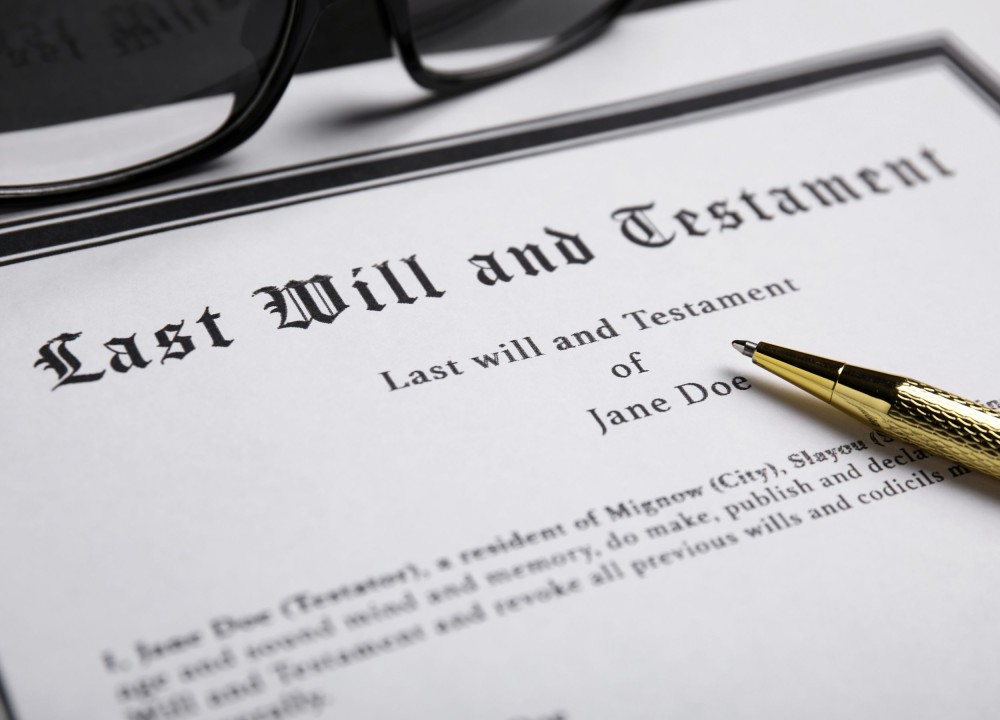
A will, in general terms, is a document that discloses the intention of the maker (testator) to make a gift to a third party following his death. The will speaks from the death of the testator. It is to take effect only upon his death. A will may be revoked, replaced or amended at any time by the testator prior to his death. A will made overseas is also valid in Malaysia as long as it satisfies the requirements of the Wills Act 1959.
The legal formalities of a valid will under sec 5-7 of the Wills Act 1959, amongst others:
- The testator must be atleast 18 years old;
- He is of sound mind;
- The will must be in writing;
- Signed by the testator or another person on his direction;
- Signed in the presence of two witnesses present together;
- The witnesses ought not be the beneficiaries.
A will may be challenged on the grounds that the testator did not have the testamentary capacity (mental capacity) when making the will, there was suspicious circumstances in the making of the will or that the testator was under undue influence when making the will. When the challenge is made, the propounder of the will (person relying on the will) has to prove the due execution and validity of the will.[1]
Challenging a will on the grounds of lack of testamentary capacity.
Frequently, a will may be challenged on the grounds that the testator did not have the mental capacity at the time of making the will. The usual allegations would be e.g he was sick, immobile, hospitalized, after surgery, under medications, or old age. The issue then for the court would be whether this amounts to a lack of ‘testamentary capacity’.
Hence it is necessary to understand and appreciate what is ‘testamentary capacity’ as regards the making of a will.
‘Testamentary capacity’ refers to the mental ability of a person to make a will. A testator is said to have the testamentary capacity or a ‘sound disposing mind’ to make a will when he is fully conscious, understands and approves the contents of the will.[2]
For this, cogent evidence must be adduced to establish the soundness of the testator’s mind, memory and understanding. It must be proven that he was in a state of mind to understand the nature of his action and its effects; the extent of his property of which he is disposing and able to comprehend the claims to which he ought to give effect. He should not be under any ‘disorder or disease of the mind’ that affects his sense of right or influences his mental ability to make decisions in respect of his property.
It is the soundness of the mind and not the bodily health that is to be considered. A person may be physically/bodily sick but may yet retain sufficient mental control, understanding and comprehension including to make decisions on his property – that is enough to prove his testamentary capacity.[3]
Old age or imperfect memory alone is not enough to conclude that there was no testamentary capacity without medical proof that he was senile or had lost his memory legally to make a will.
To declare a will invalid due to lack of mental capacity, the law requires the presence of an insane delusion or insanity existing at the time of making of the will or when giving instructions for the making of the will; the threshold on the state of mind required is low, a very slight testamentary capacity is sufficient.[4] To conclude, the testator need not be proven to be in perfect health in order for his will to be declared valid.
[1] Manogaran a/l Singaraveloo & Ors v. Amanah Raya Bhd & Anor [2024] MLJU 896, HC.
[2] Chin Jhin Thien & Anor v. Chin Huat Yean @ Chin Chun Yean & Anor [2020] 4 MLJ 581, FC.
[3] Khaw Cheng Bok & Ors v. Khaw Cheng Poon & Ors [1998] 3 MLJ 457, HC.
[4] Tho Yow Pew & Anor v. Chua Kooi Hean [2002] 4 CLJ 90, CA.
R. Jayabalan
MESSRS R. JAYABALAN